Deep Sea Fishing in Punta Cana: Planning a First Offshore Day from Belara in Green Village
Belara stands in Green Village, inside Cap Cana, and the sportfishing boats of this coast tie up at Marina Cap Cana, about 4.7 miles away by road, or roughly 12 minutes in the car. That short drive turns deep sea fishing into an early start rather than an expedition. This guide is written for the owner or guest heading offshore for the first time: how far the boats actually run, what a billfish tournament looks like from the dock, what happens when the sea turns against you, and which fish deserve a place in the cooler on the way back to a Belara kitchen.
How far do the boats go, and how long is a day on the water?
Getting to the boat is the easy part. From Belara's corner of Green Village the drive to Marina Cap Cana is about 4.7 miles and takes around 12 minutes without traffic, with both ends of the trip inside Cap Cana. The Ministry of Environment's management plan for the marine sanctuary off this coast describes local sport-fishing outings as lasting 3 to 6 hours and running all year, and the marina's own charter request form lets a group ask for half a day or for anything from one to four days.
How far out a boat goes depends on the crew and on the fish. Writing about the 2025 Cap Cana Classic, Sports Illustrated's fishing section described one boat running 30 miles, a trip of about an hour, to fish water that averaged 2,000 feet deep. A morning after mahi-mahi or wahoo can stay much closer to shore. Ask the captain the evening before how far the plan is to run: it decides how early you leave Belara and how much of the day goes on travelling rather than fishing.
What does a billfish tournament look like from the dock?
Marina Cap Cana organises its sportfishing year around tournaments, and watching one is a gentle introduction before booking a boat of your own. In 2026 the marina's events page listed a Kids Fishing Fest in April, where children learn to prepare bait, cast a reel and let go of what they catch, and a White Marlin Tournament in May. The best known is the Cap Cana Classic, a catch-and-release billfish event that Sports Illustrated counted as its 21st edition in 2025, with thirty boats registered.
Nothing comes back to the dock to be weighed. In 2025 a released blue marlin was worth 300 points and a white marlin or a sailfish 100, an angler had two hours to bring a hooked fish to release, and three judges went through each boat's video at the end of the day. The footage had to show the species, the angler's face and coloured band, and either the line running into the rod or the mate holding the leader. The boats return to the marina every afternoon and the 2025 prizes were handed out on its esplanade, the obvious place for a visitor from Belara to watch the fleet come in. Dates shift from one year to the next, so check the marina's own page before planning a visit around an event.
What happens when the sea is too rough to go out?
The water east of Cap Cana is open ocean. A Saltwater Sportsman feature on fishing off Punta Cana describes the Mona Passage, the 80 miles of sea between the Dominican Republic and Puerto Rico, as capricious water, and the forecast can change between the day you book and the morning you sail. The captain is not the only one who decides. On 15 March 2026, acting on a weather bulletin about rising swell and strong winds, the national Emergency Operations Centre ordered small, medium and fragile vessels to stay in port along the Caribbean coast from Isla Saona to Cabo Engaño.
For a first trip that suggests three habits. Book a shorter outing rather than a full day, so a lumpy morning is an inconvenience and not an ordeal. Keep the following day free, so a cancelled trip can move instead of vanishing from the holiday. And ask the crew what they will do if the weather turns while you are out; a good crew has an answer ready before the question is finished.
Which fish are worth eating, and which should you leave alone?
The fish crews keep for the table are the open-water species. A charter-booking marketplace's 2026 guide gives typical sizes of 10 to 90 lb for mahi-mahi, 10 to 120 lb for wahoo and 20 to 50 lb for yellowfin tuna, and those three are the usual reason to take a cooler. Billfish are another matter: the marina calls itself a catch-and-release marina, so marlin and sailfish go back. Resolution 023/2017 of the Ministry of Environment closed fishing for sharks and rays nationwide with no end date, and the same 2017 announcement set time-limited closures for parrotfish and surgeonfish.
Reef fish need more care. Canada's public health agency describes ciguatera as an illness from eating reef fish that carry a natural toxin, names barracuda, snapper, grouper and amberjack among its examples, and lists the Caribbean Sea among the places it occurs. The toxin has no taste or smell and is not destroyed by cooking, freezing or salting, so the agency advises avoiding large reef fish, above about 6.6 pounds, and the heads, organs and roe of reef fish. None of this says ciguatera is common on this coast. It simply means that a big barracuda belongs in the photograph, not on the grill.
Bringing the catch home to a Belara kitchen
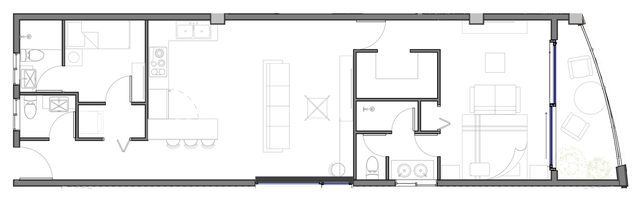
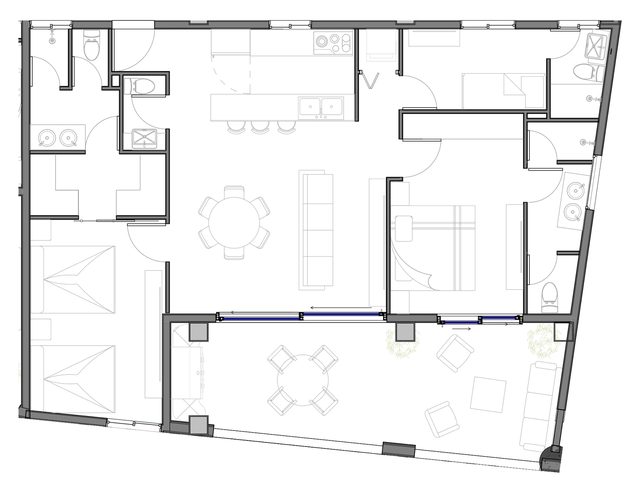
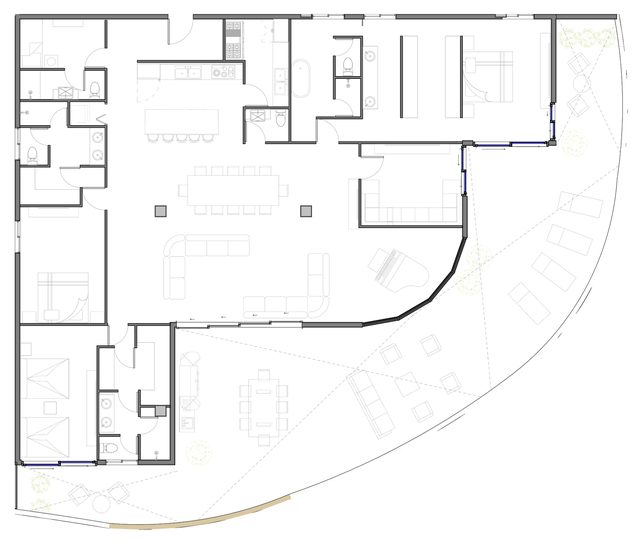
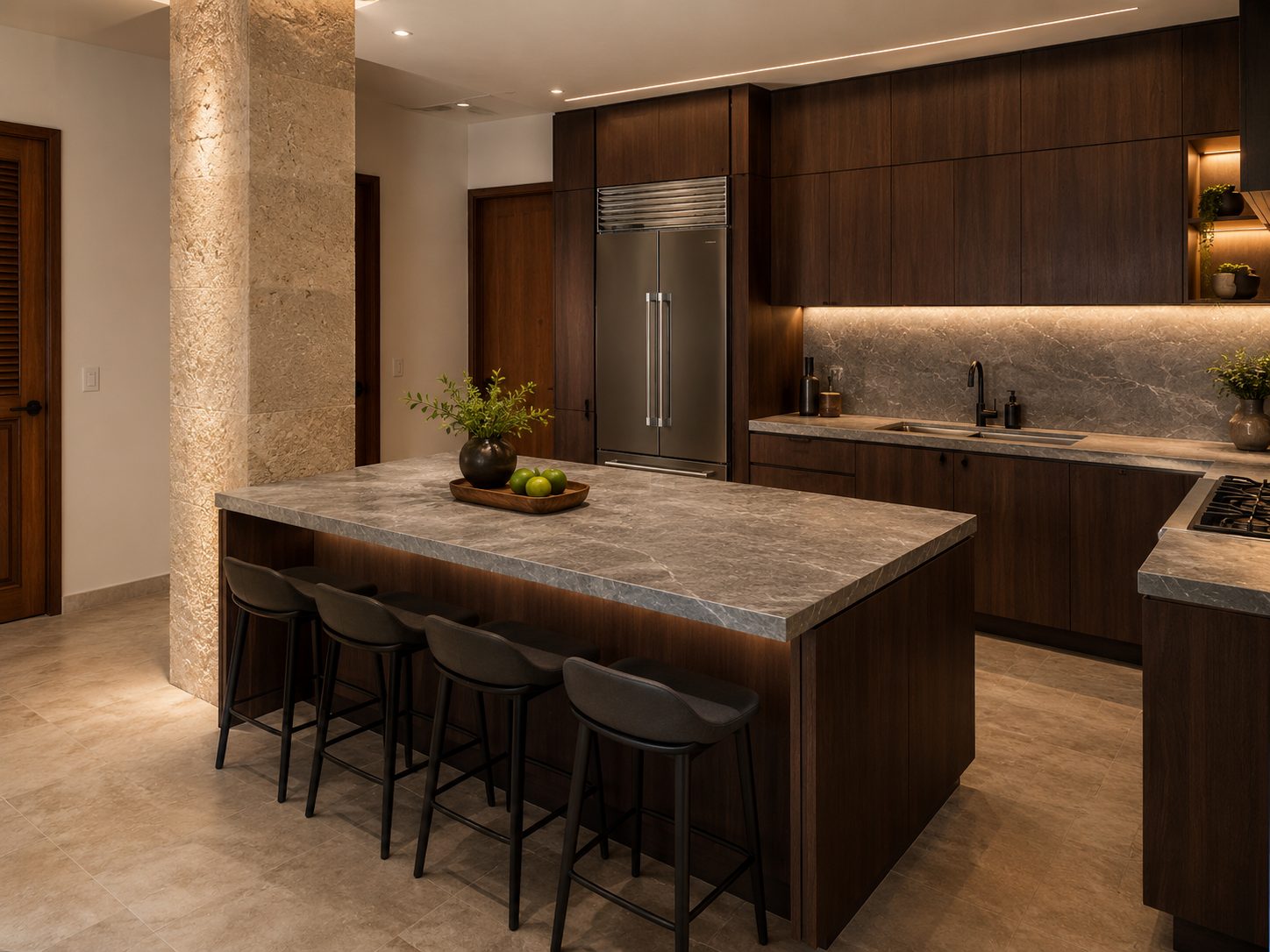
Belara is a five-level building of 59 residences with direct access to Green Village's central park, due for delivery in the fourth quarter of 2029. The homes are handed over with their appliances and air conditioning installed but without furniture, so the kitchen that receives a cooler of mahi-mahi is one you have set up yourself. Before leaving the dock, agree with the crew how much fish you will keep and ask for it to be cleaned and portioned at the marina; even a modest wahoo is far more than one dinner.
Back at Belara, the first fillets go on the grill the same evening and the rest into the freezer in meal-sized packs, labelled with the species and the date. Fish keeps best when it goes from the boat to ice to the freezer without warming up, so put a cooler of ice in the car for the 12-minute drive home. For an owner who rents the residence out, a morning on the water is also an easy suggestion for guests, and the marina's charter request form is the place for them to start.
Common questions
- How far is Belara from the deep sea fishing boats?
- About 4.7 miles by road to Marina Cap Cana, which takes around 12 minutes by car. Both Belara and the marina are inside Cap Cana.
- How far offshore do Punta Cana fishing boats go?
- It depends on the fish. In the 2025 Cap Cana Classic one boat ran 30 miles, about an hour, to water averaging 2,000 feet deep; a trip for mahi-mahi or wahoo can stay closer.
- Can a fishing trip be cancelled because of the weather?
- Yes. The national Emergency Operations Centre can order small vessels to stay in port, as it did along the Caribbean coast from Isla Saona to Cabo Engaño on 15 March 2026.
- Is barracuda safe to eat in Punta Cana?
- Canada's public health agency lists barracuda among the reef fish that can carry ciguatera, a toxin cooking does not destroy, and advises avoiding large reef fish. Mahi-mahi, wahoo and tuna are the usual fish kept for the table.
Want the details for your own situation?
Ask about availability, layouts or the buying process, and someone from the sales team will get back to you.
Get in touch