Mortgage loans in the Dominican Republic: what a lender needs before it can lend
A Dominican mortgage is not first a question of interest rates. It is a question of title: the charge exists because the registry records it, and a lender will ask for the certificate of title of the home it lends against. For a buyer at Belara, a building of 59 residences in Cap Cana priced from US$318,701 with delivery planned for Q4 2029, that makes timing and currency the two things to settle before any rate is worth comparing. This page publishes no rate and no loan-to-value, because no lender we can cite publishes one for foreign borrowers.
What a Dominican mortgage is, in law
In the Dominican Republic a mortgage, the hipoteca, is a charge on registered real estate, and Article 90 of Ley 108-05, the Real Estate Registry Law, makes registration constitutive: a right, charge or encumbrance exists in full once the Registro de Títulos records it, and what the registry shows is presumed exact. That is why every lender's first concern is the title. The bank is not lending against a building in general; it is lending against a specific certificate on which its charge will be written.
The wider framework is Ley 189-11 of 2011, passed to develop the Dominican mortgage market by channelling savings into long-term lending for housing and construction. The same law created the real-estate development trust, a separate patrimony run by a fiduciary to carry a project through construction to sale or rental. The instrument exists; whether any given development uses one is a question for that project's own documents.
Why timing matters when you buy off-plan
Read the document list a Dominican lender publishes and the timing problem appears on its own. The file includes a copy of the certificate of title, a current certification of the property's legal status and an appraisal. An existing apartment has all three. A residence bought off-plan does not yet have the first: in a new building, each unit receives its own certificado de título only once the condominium regime is registered, under Article 101 of Ley 108-05.
Belara's delivery is planned for Q4 2029. So a buyer who intends to borrow in the Dominican system should ask each lender, not us, a precise question: at what stage will you accept a file for a unit bought off-plan, and which documents from the developer will you need to see? Settle that answer before you sign, not after, because it decides how much of the price has to come from your own resources.
What one Dominican bank publishes for borrowers living abroad
Banco de Reservas, which the Dominican state owns, offers a home loan aimed at people who live abroad and want to buy a home in the country. On its own page it is lent in Dominican pesos, for a term of up to 20 years, and the security must be property located in the Dominican Republic: a home abroad cannot secure it.
The same page lists what the borrower brings: a signed application, identity documents, proof of income from the country of residence (for a borrower living in the United States, IRS-certified tax returns and W-2 forms for the last two years), the property appraisal, the copy of the title and the legal-status certification, and the purchase contract or offer letter. What it does not publish is a loan-to-value ratio or an interest rate. Figures you find elsewhere online are summaries by brokers and agents, not the bank's own terms, and they differ from lender to lender.
| Document | What it tells the lender |
|---|---|
| Copy of the certificate of title | That a registered title exists for the specific home |
| Legal-status certification | What is recorded against that title today, not on the day it was printed |
| Appraisal | What the home is worth as security |
| Purchase contract or offer letter | The price and the parties |
| Income evidence from your country | Whether you can repay from where you live |
A peso loan against a dollar price
Belara is priced in US dollars, from US$318,701. A loan in pesos is repaid in pesos, so a borrower who earns dollars, euros or Canadian dollars carries the exchange rate for the whole term. That is not a reason to refuse such a loan; it is a reason to model it before accepting one.
Two published readings show why the rate has to be checked on the day it matters rather than assumed. The Banco Central's daily reference rate on 9 September 2026 was RD$58.63 to buy one US dollar; the average spot rate across calendar 2025 was RD$61.52. They are different measures, a single day's quote and a full year's average, so the gap between them is not a trend. In August 2026 the Banco Central held its monetary policy rate at 5.25% a year: a benchmark for the banking system, not the rate a mortgage borrower is offered.
Four questions to settle before counting on a Dominican loan
- At what stage will this lender accept a unit bought off-plan? Ask for it in writing, with the documents it will need from the developer.
- In which currency is the loan, and in which currency is your income? If they differ, model the exchange rate at several levels, not only today's.
- What does the lender charge beyond interest? Appraisal, insurance and registration of the charge are all part of the cost.
- What does your attorney see on the legal-status certification? It is the current read of the registry, which a certificate of title printed earlier is not.
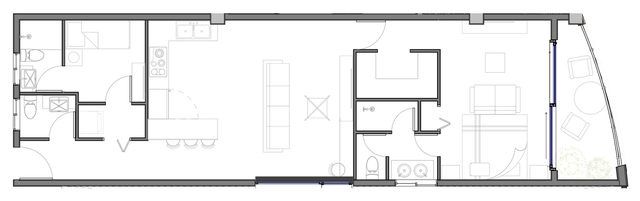
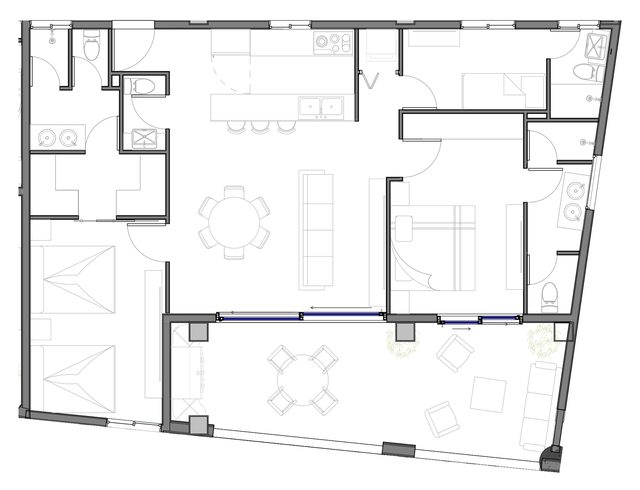
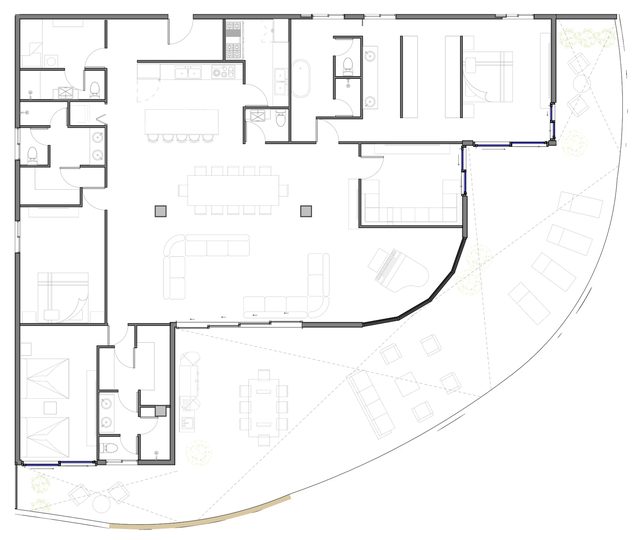
None of these answers comes from us; they come from the lender and from your own counsel. What we can give you is the property's side of the file: the from-price, the residence's layout and area, and the delivery date the plan is built around.
Common questions
- Can a foreigner obtain a mortgage in the Dominican Republic?
- A foreign national can own Dominican real estate on the same terms as a Dominican, and at least one state-owned bank publishes a mortgage product for individuals living abroad. Whether a given lender approves a given borrower is that lender's decision.
- Does the mortgage have to be registered?
- Yes. Under Article 90 of Ley 108-05, registration at the Registro de Títulos is what constitutes a charge such as a mortgage, which is why lenders ask for the certificate of title.
- Is the Banco Central's 5.25% a mortgage rate?
- No. It is the monetary policy rate the Banco Central held in August 2026, a benchmark for the banking system. The rate a borrower pays is set by each lender and is not published on the bank page cited here.
Want the details for your own situation?
Ask about availability, layouts or the buying process, and someone from the sales team will get back to you.
Get in touch